
Best Way to Treat Bali Belly: Home, Pharmacy or Doctor?

A decision guide that matches the right treatment route to how sick you actually feel. There is no single best way to treat Bali Belly. The right choice depends on how severe your symptoms are. Mild cases do well with home care; pharmacy medicines can ease symptoms; a doctor adds diagnosis and prescriptions, and IV treatment steps in when you cannot keep fluids down. This guide walks through each option so you can choose with confidence instead of guessing. At a Glance Home care: for mild symptoms when you are keeping fluids down. Pharmacy: for rehydration salts and symptom relief, with clear limits. Doctor: for fever, blood in your stool, or symptoms that are not improving. IV treatment: for repeated vomiting, dehydration or when oral care is failing. Hospital: for collapse, confusion or severe pain. Explore options: Bali Belly IV Drip • Mobile IV Drip Bali Belly in Brief Bali Belly is traveller’s diarrhoea, usually caused by bacteria such as E. coli, and sometimes by viruses or parasites, from contaminated food, water or ice. For a full rundown of symptoms alongside treatment. Home Care Best for: a few loose stools, mild cramps, no fever and fluids staying down. Home care means rehydration salts in small sips, rest somewhere cool and bland food once your appetite returns. It costs little, and for most mild cases it is all you need. The catch is that it relies on your stomach cooperating. If fluids will not stay down, home care stops working. Keep an eye on three things: how often you need the toilet, whether you have a fever and whether you can keep fluids down. A change in any of these tells you it is time to move to the next option. Pharmacy Medicines Best for: mild to moderate symptoms when you want relief. Rehydration salts: Oralit and similar products, the foundation of any treatment. Anti-diarrhoeals: can reduce trips to the bathroom, but are not suitable with a fever or blood in your stool. Probiotics: optional, with mixed evidence. Pharmacists in Bali can advise on products and dosing. Antibiotics should only be taken on a doctor’s prescription, after an assessment. Bring a short list of your symptoms and any medicines you already take, so the pharmacist can check what is safe to combine. Doctor Consultation Best for: fever, blood in your stool, symptoms that are severe or persist beyond a day or two, or anyone in a higher-risk group. A doctor examines you, checks for dehydration and rules out conditions with similar symptoms, such as dengue or appendicitis. From there, they can prescribe the right medication, including antibiotics if your case is bacterial, and arrange tests if needed. A proper diagnosis also means you stop guessing and start the treatment your case actually needs. IV Treatment Best for: repeated vomiting, dizziness, signs of dehydration or when oral medication is not helping. When your stomach rejects everything, an IV delivers fluids and electrolytes directly into your bloodstream, bypassing the gut entirely. Combined with anti-nausea medication, it often helps people start eating and drinking again within hours. It is also the go-to option when time matters, such as fixing Bali Belly before a flight or big event. Which Treatment Fits Your Symptoms Your symptoms Best route Mild diarrhoea, keeping fluids down, no fever Home care Frequent diarrhoea and cramps, otherwise well Home care plus pharmacy advice Fever, blood in your stool, or not improving Doctor consultation Repeated vomiting, dizziness, cannot keep fluids down Doctor plus IV treatment Collapse, confusion or severe pain Hospital emergency department Children, older travellers, pregnant women and anyone with a chronic illness should move up a level and be assessed sooner. The Best Treatment for Bali Belly When Oral Care Fails Our doctor-supervised Bali Belly IV drip combines the doctor and IV routes in one visit. Treatment starts with a medical consultation and diagnosis, then IV hydration with electrolytes, medication for nausea, cramps, and stomach protection, and a vitamin B infusion, followed by a course of oral medication for continued symptom control. For a closer look at the full process, see our guide to Bali Belly treatment options and process. We provide documentation to support travel insurance claims, including an itemised invoice and medical report. Reimbursement depends on your travel insurance policy. FAQs What is the best treatment for Bali Belly? It depends on severity. Mild cases may improve with oral rehydration salts and medication. If vomiting or diarrhoea prevents proper absorption, an IV drip is often the fastest way to restore hydration and relieve symptoms. When should I get an IV drip for Bali Belly? When you cannot keep fluids down, are vomiting repeatedly, feel dizzy or faint, show signs of dehydration, or oral medication is not helping. Why combine an IV with oral medication for treatment of Bali Belly? The IV rapidly corrects dehydration, nausea and electrolyte imbalance, but symptoms can continue after rehydration. A course of oral medication helps manage diarrhoea, protect the stomach lining, reduce cramping and support ongoing recovery. Match the Treatment to How You Feel Start with the simplest route that fits your symptoms, and step up the moment things change. If you have reached the point where fluids will not stay down, our team can treat you at our Kuta clinic or come to you with a mobile IV drip in Bali. Just message our medical team on WhatsApp with your symptoms and location.
Bali Belly Remedies: What Works and What Is a Myth
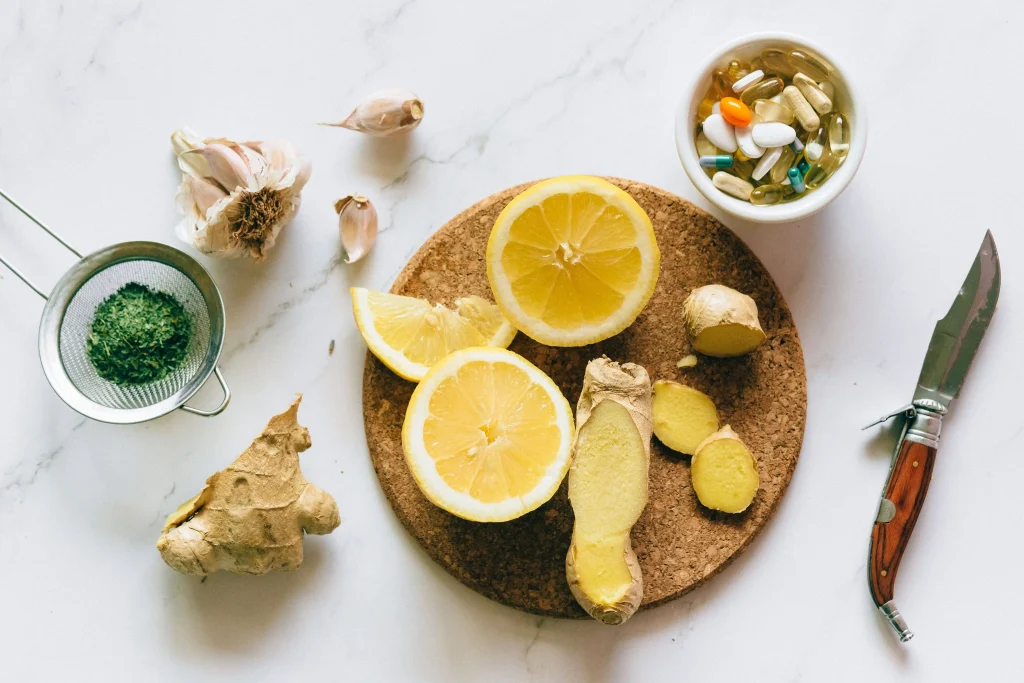
An honest look at the fixes travellers swear by, and which ones the evidence actually supports. Ask around any beach bar, and you will hear a dozen remedies for Bali Belly, from coconut water to a shot of arak. Some help, some do nothing, and a few make things worse. The short answer: rehydration salts do the heavy lifting, a handful of gentle remedies support comfort, and most of the popular shortcuts are myths. Here is how each one stacks up. At a Glance Works: oral rehydration salts, which replace both fluid and electrolytes. Helps a little: ginger for nausea, plain rice or bubur, coconut water as a top-up. Uncertain: probiotics, where the evidence is mixed. Skip: activated charcoal, arak, flat cola, and starving yourself. Antibiotics: only when a doctor decides you need them. Explore options: Bali Belly IV Drip • Mobile IV Drip Bali Belly in Brief Bali Belly is the local nickname for traveller’s diarrhoea, usually caused by bacteria such as E. coli, and sometimes by viruses or parasites, from contaminated food, water or ice. It typically clears on its own. The real risk along the way is dehydration, which is why the remedies that matter most are the ones that replace fluids. Remedies Ranked by Evidence Remedy What the evidence says Verdict Oral rehydration salts Replace water, sodium and potassium in the right balance Works Coconut water Some fluid and potassium, but too little sodium Top-up only Ginger Some evidence it eases mild nausea Helpful for nausea Plain rice or bubur Gentle, easy energy when appetite returns Helpful Probiotics Mixed results across studies Optional Activated charcoal Little evidence, and may interfere with other medicines Skip Arak or other alcohol Irritates the gut and worsens dehydration Myth Flat cola Lots of sugar, few of the salts you need Myth Starving yourself No benefit and leaves you weaker Myth Why Rehydration Salts Are the Closest Thing to a Bali Belly Cure loss, not the bug itself, that causes most of the dizziness, weakness and complications. Rehydration salts contain a precise balance of salt and sugar that helps your gut absorb water more efficiently than plain water can. They do not kill the infection, but they keep you safe and functional while your body clears it. In Bali, Oralit is sold at every apotek and most minimarkets. Popular Myths Travellers Believe Alcohol kills the bacteria: it does not sterilise your gut. It irritates the lining and pulls more fluid out of your body. Cola settles your stomach: the high sugar can draw water into the gut and make diarrhoea worse, and it lacks the salts you need. You always need antibiotics: most cases clear without them, and the wrong antibiotic adds side effects without helping. What Doctors Recommend Instead Hydration first: rehydration salts in small, frequent sips. Symptom relief: medication for nausea and cramps, guided by a doctor or pharmacist. Antibiotics only when appropriate: after a doctor has assessed whether your case needs them. For a deeper dive into the research, read our guide to the best cure for Bali Belly and what the evidence says. If you want to put these remedies into a simple plan, see our guide on how to treat Bali Belly at home or our step-by-step guide on how to get rid of Bali Belly fast. When Remedies Are Not Enough See a doctor if you cannot keep fluids down, feel dizzy or faint, run a high fever, notice blood in your stool, have severe or constant pain, or your symptoms are severe or persist beyond a day or two. If someone collapses, becomes confused or is in severe pain, go straight to a hospital emergency department. When home remedies stop keeping up, our doctor-supervised Bali Belly IV drip delivers what rehydration salts cannot when your stomach will not hold anything down. After a medical assessment, treatment combines IV hydration with electrolytes, medication for nausea, cramps and stomach protection, a vitamin B infusion and a course of oral medication. We provide documentation to support travel insurance claims, including an itemised invoice and medical report. Reimbursement depends on your travel insurance policy. FAQs What is the best cure for Bali Belly? There is no instant cure. Rehydration is the foundation. Mild cases may improve with oral rehydration salts and medication, and when vomiting or diarrhoea prevents absorption, an IV drip is often the fastest way to restore hydration and relieve symptoms. Can Bali Belly be treated without an IV drip? Yes. Mild cases may improve with oral rehydration salts and medication. An IV drip becomes the better option when you cannot keep fluids down. Do I need antibiotics for Bali Belly? Not always. A doctor assesses your symptoms first. If the cause is bacterial, the right antibiotic may be prescribed; if it is viral, treatment focuses on hydration and symptom relief. Never self-medicate. Skip the Myths, Trust the Fluids The remedies that work are the unglamorous ones: rehydration salts, rest and plain food. If those are not enough and your stomach will not cooperate, let us take over. Our team can treat you at our Kuta clinic or bring a mobile IV drip in Bali to your villa or hotel. Just message our medical team on WhatsApp with your symptoms and location.
How to Feel Better With Bali Belly: Comfort Tips

Small, practical ways to ease cramps, nausea and sleepless nights while your body clears the infection. When you are in the middle of Bali Belly, recovery feels far away and what you really want is relief right now. Knowing how to feel better with Bali Belly comes down to easing what makes you miserable, such as cramps, nausea, broken sleep and the heat, while you keep sipping fluids. These comfort tips will not cure the infection, but they make the waiting far easier. At a Glance Cramps: warmth, a comfortable position and small, plain meals. Nausea: tiny sips, ginger, fresh air and no strong smells. Sleep: a cool room, fluids by the bed and a clear path to the bathroom. Heat: stay in air conditioning or shade while you are dehydrated. Caring for someone: keep them sipping, keep hands clean and watch for red flags. Explore options: Bali Belly IV Drip • Mobile IV Drip Bali Belly in Brief Bali Belly is traveller’s diarrhoea, usually caused by bacteria such as E. coli, and sometimes by viruses or parasites, from contaminated food, water or ice. Comfort measures sit alongside rehydration, not instead of it. For the full home-care plan, see our guide on how to treat Bali Belly at home. How to Relieve Bali Belly Cramps Cramps come from an irritated, overactive gut. You cannot switch that off, but you can calm it down. Warmth: a warm compress or hot water bottle on your stomach relaxes tense muscles. Position: lying on your side with your knees drawn up often eases the pressure. Small, plain meals: large portions trigger more cramping once you are eating again. Skip triggers: coffee, fizzy drinks and spicy food keep the gut stirred up. If cramps are severe or constant, that is a red flag rather than a comfort problem. Easing Nausea Tiny sips: a spoonful or two of rehydration salts at a time is easier to keep down than a glass. Ginger: tea or candied ginger may settle mild nausea. Fresh air: sit by an open window or on a shaded terrace. Avoid strong smells: cooking, perfume and incense can set off a wave of nausea. Cool drinks: chilled fluids often go down more easily than warm ones. Sleeping With Bali Belly Sleep is when your immune system does much of its work, so it is worth protecting. Bali’s heat and humidity, plus frequent bathroom trips, make that harder. Fluids by the bed: so you can sip whenever you wake. A cool room: air conditioning or a fan helps you rest and reduces fluid loss. A clear path: leave a small light on between the bed and the bathroom. Raise your head: an extra pillow can help if nausea is worse lying flat. Staying Cool in the Heat Heat and dehydration feed each other. Sweating on top of diarrhoea drains fluids and electrolytes even faster, which is why you may feel dizzy just walking to the pool. Stay in air conditioning or deep shade, not on a sun lounger. Take a cool shower if you feel overheated. Wear loose, light clothing and keep a drink within reach. Looking After a Sick Friend or Partner Hygiene: wash your hands well, use separate towels, and do not share utensils or drinks. Keep them sipping: offer rehydration salts regularly, even if they only manage a little. Watch for red flags: blood in the stool, a high fever, dizziness, very little urine, severe pain or being unable to keep fluids down. Know the limits: if they collapse, become confused or are in severe pain, go straight to a hospital emergency department. For help with plans, bookings and making the most of the rest of your stay, read our guide to surviving Bali Belly on holiday. Once your appetite returns, our guide to what to eat and drink for Bali Belly recovery is the next step. When Comfort Is Not Enough If nausea stops you from keeping anything down, comfort tips are no longer enough. Our doctor-supervised Bali Belly IV drip starts with a medical assessment, then combines IV hydration with electrolytes, anti-nausea, anti-cramping, and stomach-protective medication, a vitamin B infusion, and a course of oral medication for the days that follow. Treatment is delivered by licensed doctors and nurses. We provide documentation to support travel insurance claims, including an itemised invoice and medical report. Reimbursement depends on your travel insurance policy. FAQs How can I feel better with Bali Belly quickly? Keep sipping rehydration salts, rest somewhere cool and ease cramps with warmth. If vomiting or diarrhoea stops you from absorbing fluids, an IV drip is often the fastest way to rehydrate and relieve symptoms. Is Bali Belly contagious? Some causes, especially viral infections, can be. Good hand hygiene, avoiding shared utensils and not preparing food for others while you have symptoms reduce the risk. When should I get an IV drip for Bali Belly? When you cannot keep fluids down, are vomiting repeatedly, feel dizzy or faint, show signs of dehydration, or oral medication is not helping. Comfort Now, Recovery Next Warmth, small sips, a cool room and good sleep will not end Bali Belly on their own, but they make the hardest hours far more bearable. When comfort stops being enough, you do not need to leave your bed to get help. Our team can bring a villa IV drip in Bali straight to you, or see you at our Kuta clinic. Just message our medical team on WhatsApp with your symptoms and location.
How to Fix Bali Belly Before a Flight or Big Event

A time-pressured plan for when the flight home, the wedding or the tour will not wait for your stomach to settle. Bali Belly has terrible timing. It tends to hit right before the long flight home, the wedding you flew in for, or the tour you booked months ago. If you need to know how to fix Bali Belly fast, the answer is to act early: rehydrate hard, rest, eat lightly, use medicine carefully and get assessed sooner rather than on the morning you leave. Here is how to give yourself the best chance of making it comfortably. At a Glance Start now: the earlier you rehydrate and rest, the better you will feel on the day. Flying: possible with mild symptoms, but get checked first if you are dehydrated or very unwell. Anti-diarrhoeals: can help on travel day, but not if you have a fever or blood in your stool. Can’t keep fluids down? IV treatment the day before is far better than suffering through the event. Pack smart: rehydration salts, wipes, spare clothes and an aisle seat. Explore options: Bali Belly IV Drip • Mobile IV Drip Bali Belly in Brief Bali Belly is the local nickname for traveller’s diarrhoea, most often caused by bacteria such as E. coli, and sometimes by viruses or parasites, from contaminated food, water or ice. For the full step-by-step basics, see how to get rid of Bali Belly fast. Can You Fly With Bali Belly? Many people with mild Bali Belly do fly. The bigger issues are comfort, hygiene and dehydration, because cabin air is dry and access to the toilet is limited on a long flight. Usually manageable: loose stools that are easing, no fever, and you are keeping fluids down. Get assessed first: repeated vomiting, dizziness, a fever or signs of dehydration. Do not fly: severe pain, blood in your stool, confusion or fainting. These need a hospital, not a plane. A doctor can tell you whether you are well enough to travel and provide a medical report if you need to change your booking. Your Plan for the Days Before You Fly Rehydrate aggressively: sip rehydration salts throughout the day, not just when you remember. Rest: skip the farewell dinner and the beach club. Your body needs the energy for recovery. Eat lightly: rice, bubur, bananas and toast, with nothing spicy, fried or alcoholic. Get assessed early: if you are not improving, see a doctor the day before, not in the hours before check-in. How to Stop Bali Belly Symptoms for Travel Day Anti-diarrhoeal medicine from the pharmacy can reduce how often you need the toilet, which makes a flight or ceremony far more manageable. It has clear limits: do not use it if you have a fever or blood in your stool, because it may keep the infection in your gut longer. Ask a pharmacist or doctor about the right product and dose, and do not combine medicines without advice. Wondering which option suits your symptoms best? Compare them in the best way to treat Bali Belly: home, pharmacy or doctor. When Medical Treatment Is the Fastest Route If you cannot keep fluids down, rehydrating by mouth will not get you ready in time. This is where the best way to treat Bali Belly quickly is medical. An IV restores fluids and electrolytes directly, bypassing an irritated stomach, while anti-nausea medication helps you start eating and drinking again. Many patients report improvement within hours. For a closer look at what genuinely speeds recovery, read the best cure for Bali Belly and what the evidence says. Travel-Day Survival Kit Rehydration salts: pack sachets and mix them with water bought after airport security. Wipes and hand sanitiser: for you and the people around you. A spare set of clothes: in your carry-on, just in case. An aisle seat: ideally close to the toilets. Ask at check-in. Bland snacks: crackers or plain bread, so you don’t have to rely on airline meals. Getting Treated Before Your Flight or Event Our doctor-supervised Bali Belly IV drip is built for exactly this situation. A doctor assesses you, then treatment combines IV hydration with electrolytes, medication for nausea and cramps, stomach protection, a vitamin B infusion, and an oral medication course to carry you through the journey. We can see you at our clinic on Sunset Road in Kuta or come to your villa or hotel, which helps when you are packing or getting ready for an event. We provide documentation to support travel insurance claims, including an itemised invoice and medical report. Reimbursement depends on your travel insurance policy. FAQs How do I fix Bali Belly before my flight? Start rehydrating and resting as early as possible, eat lightly and get assessed if you are not improving. If vomiting or diarrhoea stops you absorbing fluids, an IV drip is often the fastest way to rehydrate and relieve symptoms. What is the best way to treat Bali Belly quickly? Mild cases may improve with oral rehydration salts and medication. When you cannot keep fluids down, are vomiting repeatedly or feel dizzy or faint, IV treatment is usually the quickest route. How quickly will I feel better after an IV drip for Bali Belly? Many patients report improvement within hours of IV hydration and medication. Full recovery depends on how severe the infection is and how your body responds. Make It to Your Seat Feeling Human With an early start, careful medicine, and the right kit, most people make their flight or event. If time is running out and fluids still will not stay down, do not leave it until the last minute. Our team can treat you at our Kuta clinic or arrive at your door with a hotel IV drip in Bali while you pack. Just message our medical team on WhatsApp with your symptoms, location, and departure time.
How to Treat Bali Belly at Home (and When Not To)

A practical home-care plan for mild Bali Belly, and the clear line where it is time to call in medical help. At a Glance Mild cases: can usually be managed at home with rehydration salts, rest and bland food. Build a kit: rehydration salts, sealed water, bland snacks, a thermometer and hand sanitiser. Helpful extras: ginger and coconut water add comfort, but rehydration salts do the real work. Skip the myths: arak shots, starving yourself and leftover antibiotics. Stop home care: when you cannot keep fluids down, run a fever, see blood or feel dizzy. Explore options: Bali Belly IV Drip • Mobile IV Drip Bali Belly in Brief Bali Belly is the local name for traveller’s diarrhoea, usually caused by bacteria such as E. coli, and sometimes by viruses or parasites, from contaminated food, water or ice. Most cases are mild and settle on their own, which is why home care is often all you need. Your Bali Belly Home-Care Kit Having the basics within reach means you are not hunting for a pharmacy while feeling awful. Oral rehydration salts: Oralit is sold at every apotek and most minimarkets. Keep several sachets. Sealed bottled water: for drinking, mixing rehydration salts and brushing your teeth. Bland snacks: plain crackers, bananas and bread for when your appetite returns. A thermometer: a fever changes the plan, so you want to know rather than guess. Hand sanitiser and soap: to protect the people you are travelling with. Many pharmacies and food apps in Bali deliver, so a travel companion can restock without leaving the room for long. How to Treat Bali Belly at Home: Step by Step Hydrate: sip rehydration salts little and often. Plain water alone does not replace the sodium and potassium you are losing. Rest: clear your plans, stay cool and sleep as much as you can. Eat gently: once nausea eases, start with rice, bubur, eggs, plain tempeh and bananas. Monitor: check your temperature, how often you are going and whether fluids are staying down. Want the fastest version of this plan? See how to get rid of Bali Belly fast. Home Remedies for Bali Belly That Help A few traditional remedies earn their place, as long as they support rehydration rather than replace it. Ginger: tea or candied ginger may ease mild nausea. Coconut water: a gentle top-up with some potassium, but too low in sodium to replace rehydration salts. Rice and bubur: easy to digest and a good first meal when you are ready to eat. For a full evidence check of popular fixes, read Bali Belly remedies: what works and what is a myth. Remedies That Do Not Work An arak shot to kill the bacteria: alcohol does not sterilise your gut. It irritates it and adds to dehydration. Starving yourself: skipping food for days does not clear the infection faster and leaves you weaker. Leftover antibiotics: the wrong antibiotic adds side effects without helping, and most cases do not need one at all. When Home Treatment Is Not Enough Home care has a clear limit. Move to medical care if you notice any of these: You cannot keep fluids down, or you are vomiting repeatedly Dizziness, fainting or very little urine A high fever Blood in your stool, or black stool Severe or constant stomach pain Symptoms that are severe or persist beyond a day or two Children, older travellers, pregnant women and anyone with a chronic illness should be assessed earlier. Symptoms can also overlap with dengue or appendicitis. If someone collapses, becomes confused or is in severe pain, go straight to a hospital emergency department. When You Need More Than Home Care If home treatment is not keeping up, our doctor-supervised Bali Belly IV drip picks up where it leaves off. A doctor assesses and diagnoses you, then treatment combines IV hydration with electrolytes, medication for nausea, cramps and stomach protection, a vitamin B infusion, and a course of oral medication for the days that follow. Curious what a medical visit involves? See how doctors treat Bali Belly and what to expect. We provide documentation to support travel insurance claims, including an itemised invoice and medical report. Reimbursement depends on your travel insurance policy. FAQs Can Bali Belly be treated at home without an IV drip? Yes, in many cases. Mild cases may improve with oral rehydration salts and medication. If vomiting or diarrhoea prevents proper absorption, an IV drip is often the fastest way to restore hydration and relieve symptoms. What remedies for Bali Belly actually help? Rehydration salts do the most important work. Bland food, rest, ginger for nausea and coconut water as a top-up can support recovery, while alcohol and self-prescribed antibiotics do not. When should I stop treating Bali Belly at home? When you cannot keep fluids down, are vomiting repeatedly, feel dizzy or faint, show signs of dehydration, or oral medication is not helping. Know Your Limit, Then Let Us Take Over Home care works well for mild Bali Belly, as long as you know where it ends. The moment fluids stop staying down or a red flag appears, there is no reason to keep struggling alone. Our team can treat you at our Kuta clinic or come straight to your door with a villa IV drip in Bali. Just message our medical team on WhatsApp with your symptoms and location.
How to Cure Bali Belly: Day-by-Day Recovery Timeline

What each stage of recovery should look like, how to heal faster, and the signs your timeline has gone off track. You are a day into Bali Belly, the bathroom has become your second room, and one question keeps coming back: when does this end? Here is the honest answer on how to cure Bali Belly. There is no overnight fix, but most mild cases follow a predictable recovery path. The first day is the hardest, the second is about stabilising, and by the third most people are healing. Knowing what each stage should look like helps you see when recovery is on track, and when it is not. At a Glance The first day: fluids are the priority, and food can wait. The second day: appetite returns, so start bland food and keep rehydrating. The third day onwards: ease back into normal meals and skip alcohol a little longer. Off track: if you are getting worse instead of better, see a doctor. Healing faster: comes down to hydration, sleep, and staying out of the heat. Explore options: Bali Belly IV Drip • Mobile IV Drip Bali Belly in Brief as E. coli, and sometimes by viruses or parasites, picked up from contaminated food, water or ice. If you are still in the first few hours, start with our guide on how to get rid of Bali Belly fast. The First Day: The Hardest Hours Expect frequent diarrhoea, possibly vomiting, cramps and a wiped-out feeling. Your gut is flushing out the infection, and your body is losing water, sodium and potassium faster than it can replace them. That is why you feel weak and light-headed even if you have barely moved. Fluids first: oral rehydration salts in small sips every few minutes, even if you can only manage a little at a time. Food is optional: if you are not hungry, do not force it. Rest: cancel plans and stay somewhere cool. Keep notes: fever, blood in your stool and whether fluids stay down are the details a doctor will ask about. The Second Day: Stabilising For most people, the second day brings fewer bathroom trips and the first hint of appetite. This is where recovery is won or lost. Feel a little better, order a heavy meal, and you can easily set yourself back. Keep rehydrating: you are still replacing what you lost, even as symptoms ease. Introduce bland food: plain rice, bubur, bananas, toast and clear soup. Think small: several light meals are easier on your gut than one big one. For a fuller list of what to order and what to avoid, see Bali Belly recovery: what to eat and drink. The Third Day and Beyond: Healing Your Gut By now, most mild cases are clearly improving. The infection is clearing, but your gut lining is still sensitive, so how you eat and drink over the next few days matters. Return to normal food gradually: add eggs, chicken or tempeh before spicy or rich dishes. Probiotics: optional, and the evidence for them is mixed. Alcohol, sambal and fried food: hold off for a few more days, because they irritate a gut that is still healing. Energy: some tiredness after Bali Belly is normal and fades as you eat and sleep well. Signs You Are Not Healing Recovery should move in one direction. If any of these appear, your timeline has gone off track and it is time to see a doctor: Symptoms getting worse instead of better after the second or third day A fever that appears or keeps climbing Blood in your stool, or black stool Repeated vomiting, or you still cannot keep fluids down Dizziness, fainting or very little urine Severe or constant stomach pain Children, older travellers, pregnant women and anyone with a chronic illness should be checked sooner. Symptoms can also overlap with dengue or appendicitis. If someone collapses, becomes confused or is in severe pain, go straight to a hospital emergency department. How to Recover From Bali Belly Faster Hydration: the biggest single factor. Keep sipping rehydration salts until your urine is pale again. Sleep: your immune system does much of its work while you rest, so give it the hours it needs. Heat: Bali sun speeds up fluid loss, so stay in the shade or air conditioning. Follow the plan: if a doctor has prescribed medication, take it exactly as directed. Curious which remedies genuinely speed things up? Read the best cure for Bali Belly and what the evidence says. How We Help You Heal Faster When the first day is brutal and fluids will not stay down, our doctor-supervised Bali Belly IV drip can take the edge off the worst stretch. Treatment combines a medical consultation and diagnosis, IV hydration with electrolytes, medication for nausea, cramps and stomach protection, and a vitamin B infusion, followed by a course of oral medication to keep your recovery on track over the next few days. Everything is delivered by licensed doctors and nurses, at our clinic on Sunset Road in Kuta or at your villa or hotel. We provide documentation to support travel insurance claims, including an itemised invoice and medical report. Reimbursement depends on your travel insurance policy. FAQ How do you cure Bali Belly quickly? Mild cases may improve with oral rehydration salts and medication. When vomiting or diarrhoea stops you from absorbing fluids, an IV drip is often the fastest way to rehydrate and relieve symptoms. How long does it take to recover from Bali Belly? It depends on the cause and how severe your symptoms are. If symptoms are severe or persist beyond a day or two, medical treatment may be necessary. Do I need antibiotics to heal Bali Belly? Not always. A doctor assesses your symptoms first. If the cause is bacterial, the right antibiotic may be prescribed; if it is viral, treatment focuses on hydration and symptom relief. Never self-medicate. Back on Your Feet, One Day at a Time Most people move from miserable to
How to Get Rid of Bali Belly Fast: Step-by-Step Guide

Why rehydration comes first, what speeds recovery, and when to call in medical help. Bali Belly is not just an upset stomach. Your gut reacts to unfamiliar bacteria, viruses, or contaminated food and water, and every bout of diarrhoea or vomiting drains fluid and electrolytes from your body. That loss, more than the bug itself, is what leaves you dizzy, weak, and stuck in your villa. Here is how to get rid of Bali Belly fast: rehydrate properly, rest, eat bland food once your stomach settles, use medicines carefully, and get medical help early if warning signs appear. Most mild cases settle within a few days, and the steps below help you get there faster and more safely. At a Glance Rehydrate first: oral rehydration salts in small, frequent sips. Rest: clear your plans for a day or two and stay out of the heat. Eat bland: rice, bubur, bananas, or toast once the nausea eases. Medicines with care: no self-prescribed antibiotics, and anti-diarrhoeals only without fever or blood. Know the red flags: if you cannot keep fluids down, feel dizzy, run a high fever or see blood in your stool, see a doctor. Explore our options: Bali Belly IV Drip • Mobile IV Drip First, Rehydrate Properly Diarrhoea and vomiting pull out water plus sodium, potassium and chloride, the electrolytes that keep your nerves and muscles working. Plain water replaces volume but dilutes what is left, which is why you can drink bottle after bottle and still feel flat. Oral rehydration salts (Oralit): sold at every apotek and most minimarkets, and balanced to replace both fluid and electrolytes. Small, frequent sips: gulping on an irritated stomach often brings it straight back up. Urine check: pale yellow means you are keeping up; dark or scanty means you are falling behind. Coconut water and sports drinks can top you up, but they are not a substitute for proper rehydration salts. For the full breakdown, see Bali Belly remedies that work and the ones that are myths. Then, Rest and Pause Your Plans Your immune system is doing the real work of clearing the infection, and it works better when you are not also fighting heat and a packed itinerary. Skip the boat trip and the beach club, stay somewhere cool, keep fluids by the bed and sleep. Got a flight home or a wedding coming up? Read how to fix Bali Belly before a flight or big event. Eat Bland Food When Your Stomach Is Ready Early on, fluids matter more than food. When your appetite returns, choose foods that are gentle on an inflamed gut: Simple starches: plain rice, bubur ayam without sambal, toast and crackers Easy fruit: bananas Light protein: clear broth, boiled eggs or plain steamed chicken Hold off on sambal, fried food, dairy, alcohol, coffee and raw salads until you feel like yourself again. How to Stop Bali Belly Symptoms With Medicine, Safely Anti-diarrhoeals: can cut trips to the bathroom, but only when there is no fever and no blood in your stool. With either sign, they may keep the infection in your gut longer. Probiotics: optional, and the evidence is mixed. Antibiotics: most cases do not need them, and the wrong one adds side effects without helping. They should only be prescribed after a doctor’s assessment. Never self-medicate, and ask a doctor or pharmacist about dosing for anything you take. Is There a Real Bali Belly Cure? Not an instant one. Your body needs a few days to clear the infection. What treatment changes is how those days feel: fluids restored faster, nausea and cramps eased, and dehydration kept from becoming the main problem. Not sure it is Bali Belly at all? Our guide to Bali Belly symptoms and when to get IV treatment walks through the signs. Red Flags That Need a Doctor Blood in your stool, or black stool A high fever Repeated vomiting, or you cannot keep fluids down Dizziness, fainting or very little urine Severe or constant stomach pain The patient is a child, elderly, pregnant or has a chronic illness If symptoms are severe or persist beyond a day or two, medical treatment may be necessary. Symptoms can also overlap with dengue or appendicitis, so a proper assessment matters. If someone collapses, becomes confused or is in severe pain, go straight to a hospital emergency department. How We Treat Bali Belly at Hangover Lounge Bali When vomiting or diarrhoea stops your body absorbing fluids, our doctor-supervised Bali Belly IV drip treatment combines rapid rehydration with a course of oral medication: Medical consultation and diagnosis to confirm what you are dealing with IV hydration with electrolytes to correct dehydration quickly Anti-nausea, stomach-protective and anti-cramping medication for symptom relief Vitamin B infusion to support energy Oral medication course for continued symptom control and gut support over the following days All treatments are delivered by licensed physicians or nurses using BPOM-approved medication. Visit our clinic on Sunset Road, Kuta, inside Revive Medical Clinic, or let our mobile IV drip in Bali team come to your villa or hotel. Call-out fees may apply depending on your area. We provide documentation to support travel insurance claims, including an itemised invoice and medical report. Reimbursement depends on your travel insurance policy. FAQs Is there a quick Bali Belly cure? Not an instant one. Mild cases may improve with oral rehydration salts and medication. When vomiting or diarrhoea stops you absorbing fluids, an IV drip is often the fastest way to rehydrate and relieve symptoms. How can I stop Bali Belly from getting worse? Start rehydrating early, rest, eat plain food and avoid alcohol, dairy and spicy dishes. If symptoms are severe or persist beyond a day or two, get medical treatment. When should I get an IV drip for Bali Belly? When you cannot keep fluids down, are vomiting repeatedly, feel dizzy or faint, show signs of dehydration, or oral medication is not helping. Too Sick to Leave Your Villa? Let Us Come to You Most
The Science of an IV Hangover Treatment

Why targeted vitamin therapy + rapid hydration (and optional oxygen) can steady you faster. After a big night, your body isn’t just “dehydrated.” It’s riding a wave of oxidative stress, electrolyte shifts, and metabolic bottlenecks. Alcohol is converted to acetaldehyde, a reactive compound that ramps up reactive oxygen species (ROS) and taxes your antioxidant systems. Result: headache, brain fog, nausea. An IV hangover treatment tackles the most fixable part of that storm: restore fluid volume and electrolytes quickly, then deliver antioxidant and metabolic cofactors to smooth cellular energy production. Many guests also like to add a short oxygen therapy session for a clearer head while fluids are running. Explore options: Hangover IV Packages • Mobile IV Drip • Health & Wellbeing IVs Oxidative stress: the hidden driver of “I feel wrecked” Acetaldehyde & ROS: As your liver processes alcohol, acetaldehyde spikes and ROS increase. These interact with lipids and proteins, driving that heavy, inflamed feeling. Antioxidant drain: Endogenous defenses (e.g., vitamin C reserves, enzymatic systems) get used up quickly. When they’re low, recovery feels slower and fuzzier. Mitochondrial slowdown: Oxidative stress and electrolyte imbalance disrupt ATP generation, hello low energy + brain fog. Goal of vitamin therapy: rapidly re-stock antioxidant capacity and support energy metabolism, while balanced IV fluids fix the circulatory side (volume and electrolytes). How IV vitamin therapy is designed to help 1) Vitamin C (ascorbate) — frontline antioxidant Raising plasma ascorbate supports ROS quenching, helps regenerate vitamin E, and supports vessel tone (often easing head pressure). IV delivery reaches functional levels fast—especially useful when you’re queasy and not keeping oral doses down. 2) B-Complex — switch the engines back on B1 (thiamine): cofactor for pyruvate dehydrogenase → funnels carbs into the TCA cycle. B2/B3 (riboflavin/niacin): build FAD/NAD⁺ pools for mitochondrial redox reactions. B6/B12/folate: support methylation and amino-acid metabolism tied to neurotransmitter balance.Together, Bs help convert food into usable cellular energy again. 3) Magnesium + electrolytes — calm and conduct Magnesium: modulates NMDA receptors and smooth muscle tone; supports head tension and relaxation. Sodium/Potassium/Chloride: restore nerve and muscle conduction; balanced fluids beat plain water (which can further dilute sodium). 4) Balanced fluids — instant circulation Isotonic solutions re-expand plasma volume now, improving perfusion so nutrients actually reach tissues (and you stop fighting dizziness when you stand up). Oxygen therapy: a crisp add-on for clearer headspace Short sessions of supplemental oxygen via nasal cannula can make you feel brighter and more collected while your IV runs. Why it pairs well Supports tissue oxygenation during recovery, especially when you’ve slept poorly or are breathing shallow. Many people describe sharper focus and less “fog” by the end of the session. Non-sedating, comfortable, and easy to layer with IV fluids/vitamins. What it’s like Typically 5–15 minutes at a comfortable flow, with basic monitoring (e.g., pulse oximetry). You’re seated in a VIP recliner (clinic) or relaxing at your villa (mobile). Note: Some conditions (e.g., certain chronic lung issues) need individualized guidance before using supplemental oxygen. Tell our team about any health history. Why IV > oral when you’re hangover Bypass a touchy gut: Nausea makes oral hydration and vitamins a slog. IV sidesteps the stomach. Immediate plasma levels: Antioxidants and cofactors are available right away for redox and energy pathways. Controlled composition: Precisely balanced electrolytes prevent further dilution or sugar spikes. Optional oxygen: Adds a perceptible clarity boost for many guests while the drip does its work. What you’ll typically feel (and when) Many guests describe clearer headspace, steadier stance, and a calmer stomach during or shortly after the drip—especially when dehydration and oxidative load were doing the damage. Oxygen can enhance that “fresh” feeling. Keep the momentum with light food, water, and rest the rest of the day. What’s inside a science-led hangover IV (example profile) (Exact components are chosen case-by-case.) Fluids & Electrolytes: isotonic base with sodium, potassium; sometimes lactate/acetate buffers Vitamin C: antioxidant backbone B-Complex: B1, B2, B3, B5, B6 ± B12/folate Magnesium: neuromuscular ease Optional: Oxygen therapy session during/after the infusion See our current options: Hangover IV Packages Smart pairing for the rest of the day Protein + complex carbs to stabilize blood sugar Water + electrolytes between meals Sunlight + a short walk to help circadian reset Early, solid sleep to finish the recovery loop FAQs (kept tight) Do vitamins really matter, or is it just fluids?Fluids fix volume; vitamins target the chemistry, antioxidants like vitamin C address oxidative stress, while B-complex supports energy metabolism. Together is the point. How fast is the difference?Often during the infusion to 1–2 hours after, as circulation and cofactors normalize. Oxygen can make the finish feel crisper. Can you come to my villa?Yes, our mobile team covers South Bali. Details here: Mobile IV Drip Ready to feel steadier? Choose a VIP clinic in Kuta or in-villa service anywhere across South Bali.Book a Hangover IV • Add Oxygen • Mobile IV Drip • Health & Wellbeing IVs
The History of Vitamin Therapy And How Hangover Lounge Bali Helped Make It Mainstream

From hospital hydration to a Bali travel essential. A decade ago, IV vitamin drips were niche—today they’re normal. Hangover Lounge Bali has been doing this for 10 years, helping lead the shift with doctor-led, traveller-friendly care. Before “vitamin drips” were cool: the clinical roots Intravenous therapy began in hospitals, rapid rehydration, electrolytes, and medications for patients who couldn’t keep fluids down. Over decades, clinicians experimented with targeted nutrient support for deficiencies and recovery, combining fluids with B-complex, vitamin C, and minerals under supervision. A nod to Dr. John Myers (and the “Myers’ Cocktail”) Many modern wellness IVs trace inspiration to the late Dr. John Myers, a Baltimore physician who used vitamin-mineral infusions with select patients in the 1960s–1980s. After his passing, clinicians described and popularized the “Myers’ Cocktail,” commonly blending B vitamins, vitamin C, magnesium, and calcium under medical oversight. While exact formulations vary by clinic and patient suitability, Myers’ legacy helped spark broader interest in nutrient infusionsbeyond hospital walls. As sterile equipment improved and screening became standard, a new idea emerged: offering doctor-led IV support to suitable, otherwise healthy adults who were dehydrated, jet-lagged, or recovering from big days (and nights). 2010s–Now: from niche to “normal” Three forces pushed IV wellness into the spotlight: Travel & performance culture: Long-haul flights, surf days, heat, events—people wanted safe, fast hydrationthat fits tight schedules. Social visibility: Athletes and creators shared their routines, removing stigma and making drips ordinary self-care. Better access & standards: Single-use sets, consistent screening, and trained teams made IVs safer and more predictable outside hospitals. Our role in Bali’s mainstream moment (the pioneer story, 10 years in) Our early belief: If IV therapy is done properly with doctor oversight, clear screening, and honest expectations, it becomes part of how people actually travel in Bali. What we pioneered, practically speaking Doctor-led first, alwaysWe built the experience around screening and suitability. If a drip isn’t right today, we say so and guide you to alternatives. That trust paid off—and it’s how we’ve operated for 10 years. Care designed for real Bali daysWe tailored three clear categories so guests know exactly what to ask for: Hangover recovery when a big night meets Bali heat → Hangover IV Packages Wellness hydration for long flights, sun, and stacked plans → Health & Wellbeing IVs Bali Belly support when dehydration is the real risk → Bali Belly Treatment Clinic comfort and in-villa convenienceChoose a VIP clinic experience in Kuta (private recliners, Netflix) or in-villa care anywhere across South Bali. That flexibility helped IV therapy cross the line from “maybe” to “of course.” → Mobile IV Drip Why travellers say IV therapy “just makes sense” now Practical: If nausea or tummy troubles limit drinking, IV rehydration can help you bounce back more efficiently. Supervised: Doctor-led screening + trained nurses = clarity and safety. Time-smart: A 45–60 minute drip can save a whole day of travel plans. Expectation check: IV therapy supports hydration and targeted nutrients for suitable candidates. It’s not a miracle cure or a replacement for rest, food, or medical care when needed. What changed and what never will Changed over the years Awareness: guests now ask for IVs by name. Standards: single-use disposables, structured screening, and clearer after-care. Access: in-villa care is normalized, not the exception. Will never change Safety first and transparent guidance. Honest expectations about benefits and limits. Follow-up—because care doesn’t end at the drip. Planning your first drip? Start here. Feeling rough after a big night? → Hangover IV Packages Flat from flights/sun/heat? → Health & Wellbeing IVs Bali Belly symptoms with dehydration? → Bali Belly Treatment Prefer in-villa care? → Mobile IV Drip Open 08:00–23:00. Message us for fast screening and the next available time. Founder’s note (10-year perspective) “When we started, IVs were a whisper. Ten years on, the formula hasn’t changed: clear screening, calm care, and choice of setting. We’re proud that what once felt niche is now normal, safe, and sensible—done the right way.”— Hangover Lounge Bali Team
IV Drip in Seminyak: Hotel, Villa & Nearby Clinic

Doctor-led mobile IV therapy across Seminyak, plus a comfortable clinic close by in Kuta. Need an IV drip in Seminyak today? Hangover Lounge Bali brings doctor-supervised IV infusions to your villa or hotel—from Petitenget and Oberoi/Eat Street to Batu Belig and Double Six. If you prefer a clinical setting, our VIP drip clinic in Kuta (near Seminyak) has private recliners and Netflix. Explore services: Hangover IV Packages • Health & Wellbeing IVs • Mobile IV Drip • Bali Belly Treatment Why travelers choose an IV infusion in Seminyak Fast rehydration, professionally supervised: Fluids and electrolytes go straight to your bloodstream—useful when drinking water isn’t cutting it. Screened by a medical team: We take a quick history first; supportive meds and vitamin options are considered only if appropriate. Choose your setting: In-villa convenience with discreet setup or our nearby clinic if you want a quiet clinical environment. Clear, transparent options: Hangover recovery, wellness hydration, and Bali Belly support—tailored to your day and goals. “Near me” coverage: Staying near Seminyak Square, Petitenget Beach, Ku De Ta, or Potato Head? Our mobile team typically reaches Seminyak in ~60–90 minutes (traffic permitting). Mobile IV in Seminyak vs. Drip Clinic Nearby In-Villa (Seminyak) We visit Petitenget, Oberoi/Eat Street, Batu Belig, Double Six Comfortable, private, and time-efficient Ideal when you’re unwell or traveling with family Details & call-outs: Mobile IV Drip VIP Drip Clinic (near Seminyak, Kuta) Calm space, private recliners, Netflix Consistent environment and easy parking Open 08:00–23:00; message for availability What we offer in Seminyak 1) Hangover IV Drip (Seminyak) Late night or big event ahead? Our hangover infusion supports hydration and steadier headspace so you can salvage the day.→ Packages & inclusions: Hangover IV Packages Typical components (case-by-case): IV fluids + electrolytes Doctor-guided anti-nausea/headache support if suitable Optional vitamins when appropriate What guests report: Many feel noticeably steadier within 30–90 minutes. Keep resting, snack lightly, and sip water afterwards. 2) Wellness & Hydration IV (Seminyak) Jet lag, sun, surf, and stacked plans can leave you flat. A wellness IV helps you rehydrate efficiently.→ See options: Health & Wellbeing IVs Typical components: Balanced fluids + electrolytes Tailored vitamin options (as available and suitable) Simple after-care guidance (sleep, food, oral hydration) Expected feel: Guests often mention clearer headspace and better energy after appropriate hydration. 3) Bali Belly IV Treatment (Seminyak) Travel tummy troubles happen. Our Bali Belly service focuses on safe rehydration and symptom guidance.→ Learn more: Bali Belly Treatment Typical components: IV fluids + electrolytes Doctor-guided symptom support (if appropriate) Recovery tips and—on request—documentation for travel insurance claims Pricing & call-out details We’re upfront about costs. For in-villa bookings in Seminyak, check call-out info and inclusions here: Mobile IV Drip. We confirm totals before dispatch. How booking works (fast and simple) Message us on WhatsApp with your Seminyak location and symptoms. Quick medical screening to confirm suitability. Treatment in-villa or at our VIP clinic (nearby in Kuta). After-care & follow-up via WhatsApp. Areas we cover in Seminyak Petitenget Oberoi / Eat Street Batu Belig Double Six Seminyak Beach area Accessibility note: If you have mobility needs, let us know. We can adapt setup (chair/bed height, positioning, lighting) for comfort and safety. FAQs: IV Drip & Infusion in Seminyak Do you cover all of Seminyak for mobile IV?Yes. Petitenget, Oberoi/Eat Street, Batu Belig, and Double Six are all within our service area. See Mobile IV Drip. What IVs are most popular in Seminyak?Hangover recovery, wellness hydration, and Bali Belly support. Explore: Hangover IV • Wellbeing IVs • Bali Belly Can I choose a clinic instead of in-villa?Absolutely, our VIP drip clinic near Seminyak is in Kuta. Message us for directions and times. How quickly will I feel better?Many guests feel noticeably steadier during or soon after the infusion—especially when dehydration is the main factor. (Everyone responds differently.) Book your IV in Seminyak now Prefer in-villa convenience or a VIP clinic chair? We’ll guide you to the right option fast.Mobile IV Drip • Hangover IV Packages • Health & Wellbeing IVs • Bali Belly Treatment Open 08:00–23:00. Mobile teams across Seminyak; VIP clinic care nearby in Kuta.