
Vitamin IV Drips in Bali: Choosing a Wellness Option
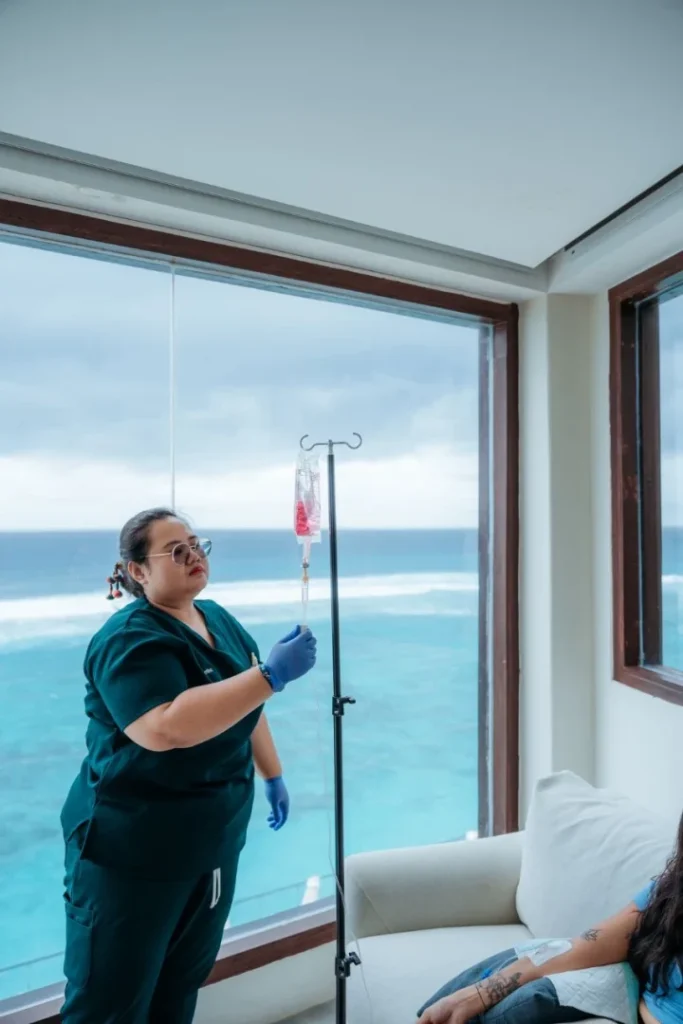
How to approach a vitamin IV as a question of fit and care, and how to arrange hydration support after a day in the heat. What is the best vitamin IV drip in Bali? There is no single answer, because the right choice depends on why you want one and who is giving it to you. Rather than chasing a ranking, choose a named wellness infusion that suits your goals, from a provider whose care is professional, discreet, and properly screened. This guide covers how to choose and how to arrange hydration support when the Bali heat catches up with you. At a Glance Fit over rankings: choose a vitamin IV for your reason, not because a list calls it the best. Care matters: licensed staff, screening, and approved products should be standard. Our option: Health and Wellness Vitamin Infusions, in-clinic or delivered to your villa. After surfing or heat: Mobile In-Villa IV Therapy brings support to you, including in Canggu. Feeling unwell: fever, vomiting, or severe symptoms need a doctor, not a wellness drip. Explore options: Health and Wellness Infusions • Mobile IV Drip Choosing a Wellness Vitamin IV At Hangover Lounge Bali, we believe the standard for choosing any vitamin IV should be the care around it: professional, discreet, efficient, safe, and attentive. A vitamin infusion is still a medical procedure, so who delivers it matters as much as what is in the bag. Our Health and Wellness Vitamin Infusions Our vitamin drip in Bali range, Health and Wellness Vitamin Infusions, is an option for anyone seeking a vitamin IV during their stay. People commonly book them when they feel run down, are travelling across time zones, want to support their general wellbeing, or have an active schedule. Each infusion is administered by licensed medical professionals after screening, at our clinic on Sunset Road in Kuta or in your villa or hotel. You will see plenty of broader IV therapy marketing in Bali, including phrases such as “When Bali Belly or jet lag hits, recovery shouldn’t wait”. That captures why many visitors look into IV therapy, but it is general industry wording, not a claim we make about our own infusions. Questions to Ask Before You Choose Why am I booking? Be clear about what you want support with, and tell the team. Who is treating me? Confirm a licensed physician or nurse places the IV. Will I be screened? A good provider asks about your health, medication and suitability first. What is in it? Ask the team to explain the infusion and its intended purpose before you agree. Where? Decide between the clinic and an in-villa visit. Clinic or Villa? Both settings follow the same standards. Our Kuta clinic suits you if you are nearby and want a calm, clinical space without a call-out fee. An in-villa visit suits you if you would rather rest in your own space, are travelling as a group, or want to fit treatment around a packed day. Either way, the infusion and the screening are the same. Interested in immune-focused options specifically? Read our guide to immunity drips and vitamin therapy in Bali. Hydration After Surfing or Beach Heat A day surfing at the beach in Bali’s heat can leave you more drained than you expect. Sun, salt water, and sweat all add up. When that happens, our attentive, discreet and efficient care is the basis for considering Mobile In-Villa IV Therapy, so you can rest where you are staying instead of travelling to a clinic. Mobile In-Villa IV Therapy Our Mobile In-Villa IV Therapy is the relevant option if you want hydration support away from the clinic. Our medical team brings the full IV setup to your villa or hotel, screens you, and stays with you during treatment. A call-out fee may apply depending on your area. You may have seen IV therapy promoted elsewhere as “Privately delivered to your villa” and “Designed to help replenish fluids”. Those are community and industry phrases rather than verified descriptions of our service, but they reflect what many visitors are looking for: private, convenient support after a hot day. Hydration IV in Canggu Canggu is within our mobile coverage, along with Berawa, Pererenan, Seminyak, Kuta, Legian, Sanur, Jimbaran, Uluwatu and Nusa Dua. If you are asking where to get a hydration IV in Canggu after surfing, we can come to your villa or hotel there, subject to availability. For more on the area, see our guide to IV drips in Canggu, and for the story behind our hydration care, read about Bali’s first hydration clinic. When Hydration Is Not the Whole Story Heat can cause more than tiredness. If you have a high fever, confusion, repeated vomiting, fainting, severe headache, or stop sweating despite the heat, seek medical help urgently rather than booking a wellness drip. Choose the Care, Then the Drip The best vitamin IV in Bali is the one that fits your reason for booking, delivered by a team that screens you properly and treats you with care. Whether you want an infusion at our Kuta clinic or an IV drip in Canggu at your villa after a long session in the water, message our medical team on WhatsApp with your location and what you are looking for.
Bali Belly or Food Poisoning? Symptoms and Care in Bali

Why the two are hard to tell apart, what to do first, and how to get assessed without leaving your villa. How do you tell if it is Bali Belly or food poisoning, and what treatment works fastest? The honest answer: you often cannot tell them apart on symptoms alone, because they overlap heavily and can share the same causes. What matters more than the label is your next step: rehydrate, watch for warning signs and get assessed if you are not coping. Treatment supports recovery, but no option guarantees a fast fix, and a proper diagnosis comes from a doctor, not a symptom checklist. At a Glance Overlap: both can cause diarrhoea, nausea, vomiting, cramps and fever. First step: rehydration salts in small, frequent sips. See a doctor: for bloody diarrhoea, high fever, vomiting that prevents fluids from staying down, dehydration, or symptoms lasting several days. Villa care: mobile treatment is possible, but assessment comes first. Emergencies: collapse, confusion or severe pain require a hospital. Explore options: Bali Belly IV Drip • Mobile IV Drip Bali Belly, Food Poisoning and Symptom Relief Our Bali Belly Treatment is built around professional, attentive care, and we frame it as one option for support, not a guaranteed fast fix. Before choosing any treatment, it helps to understand what you might be dealing with. Why the Two Are So Hard to Tell Apart As one traveller forum thread put it, “Bali belly” is a common nickname for traveler’s diarrhea. That is a description of symptoms, not a confirmed cause. Bali Belly can be caused by bacteria, viruses or parasites picked up from contaminated food, water or ice, which is also how food poisoning happens. In practice, the two often describe the same illness from different angles. Shared symptoms: diarrhoea, stomach cramps, nausea, vomiting, fever and fatigue. Timing clues: symptoms that start soon after a particular meal may point to food poisoning, but timing varies widely between germs. Only testing confirms: a doctor may assess you and, if needed, arrange stool or blood tests. For a fuller breakdown of the signs, see our guide to Bali Belly symptoms and when to get IV treatment. Rehydration Comes First Whatever the label, the main risk is dehydration. Diarrhoea and vomiting drain water and electrolytes, and that loss is what causes dizziness, weakness and complications. Sip oral rehydration salts little and often, rest somewhere cool and start with plain food once nausea eases. Avoid alcohol, coffee, dairy and spicy food until your gut settles, and keep an eye on how often you are passing urine. For step-by-step home care, read how to get rid of Bali Belly. When fluids will not stay down, an IV can restore hydration directly. Our doctor-supervised Bali Belly IV drip combines a medical consultation and diagnosis, IV hydration with electrolytes, symptom-relief medication, a vitamin B infusion and a course of oral medication. It supports recovery; it does not replace a diagnosis or promise a fixed recovery time. When to Seek Care The US Centers for Disease Control and Prevention advises seeing a doctor for severe food poisoning symptoms, including: Bloody diarrhoea A high fever Vomiting so often that you cannot keep liquids down Signs of dehydration, such as passing very little urine, a dry mouth and throat, or feeling dizzy when standing up Diarrhoea that lasts for several days Getting Help at Your Villa Many travellers ask some version of the same question. One forum post simply read: “needing a iv drip for Bali belly can anyone recommend ??” The concern is real, but a recommendation is not evidence that a drip is right for you. The deciding factors should be assessment and appropriate escalation, not convenience alone. How Mobile In-Villa Care Works Our Mobile In-Villa IV Therapy is part of the same professional, attentive care we provide at our clinic, but it is not a substitute for medical assessment. Here is what to expect: Coverage: our mobile team visits villas and hotels across Seminyak, Canggu, Berawa, Pererenan, Kuta, Legian, Sanur, Jimbaran, Uluwatu and Nusa Dua. Assessment first: Bali Belly treatment starts with a medical consultation and diagnosis, so the team can confirm an IV is appropriate before starting. Doctor visits: if you need a doctor rather than a drip, we can arrange a doctor consultation in Bali in-clinic or at your villa. Fees: a call-out fee may apply depending on your area. We provide documentation to support travel insurance claims, including an itemised invoice and medical report. Reimbursement depends on your travel insurance policy. Warning Signs That Need Urgent Care Do not wait for a villa visit if someone collapses, becomes confused, has severe or constant stomach pain, shows heavy bleeding, or cannot stay awake. Go straight to a hospital emergency department. Children, older travellers, pregnant women and anyone with a chronic illness should be assessed sooner. Get Assessed, Then Get Treated Bali Belly or food poisoning, the right first move is the same: rehydrate, watch for warning signs and get help early if you are not coping. If you would rather be assessed without leaving your room, our team can bring a mobile IV drip in Bali to your villa or hotel, or see you at our Kuta clinic. Just message our medical team on WhatsApp with your symptoms and location.
How Does Hangover Lounge Bali Compare With Other IV Providers?

A plain look at our services, how to compare IV drip providers in Bali fairly, and what the review evidence does and does not tell you. How does Hangover Lounge Bali compare with other IV drip providers in Bali? The fair answer is that a comparison should rest on service scope and care model, not on a winner-versus-loser verdict. We offer in-clinic and mobile IV services for hangovers, Bali Belly, jet lag, and general health support. This article sets out exactly what we provide, how to compare that with other providers on checkable details, and what the review wording we can point to actually says. At a Glance Our services: IV support for hangovers, Bali Belly, jet lag and general health, in-clinic or mobile. Care model: licensed doctors and nurses, screening before treatment and BPOM-approved products. Fair comparison: compare providers on sourced service details, not marketing claims. Reviews: treat individual review wording as a narrow signal, not a final verdict. Explore options: Hangover IV Drips • Mobile IV Drip Comparing Providers Hangover Lounge Bali offers in-clinic and mobile IV services for hangovers, Bali Belly, jet lag and general health support. You may see us described in community posts as a “Bali hangover lounge with IV drips”. That is an accurate description of part of what we do, but it is not evidence that we are better than anyone else. What We Offer Hangover recovery: our hangover drip in Bali options focus on rehydration and symptom support, with medication where appropriate. Bali Belly: our doctor-supervised Bali Belly IV drip combines a consultation and diagnosis with IV rehydration and an oral medication course. Jet lag and general health: our vitamin drip in Bali range covers energy, immune support, jet lag recovery, and hydration. Access: treatment at our clinic on Sunset Road in Kuta, or delivered to your villa or hotel by our mobile team. Every treatment is delivered by licensed physicians or nurses using BPOM-approved products, after screening of your symptoms, medical history and suitability. We also provide an itemised invoice and medical report to support travel insurance claims. How to Compare Fairly Most IV providers in Bali offer some mix of hangover, wellness, and recovery drips, so the useful differences are usually in the care model. When you compare us with another provider, look for sourced, checkable details on each of these: Treatment scope: which conditions they treat and whether they offer doctor consultations or only drips. Clinical oversight: who places the IV, and whether a doctor screens patients. Access: whether they have a clinic, a mobile service or both, and which areas they cover. Products: whether they state that their medication and compounds are approved for use in Indonesia. Documentation: whether they provide itemised invoices and medical reports for insurance. Where a provider does not publish a detail, the honest conclusion is that the evidence does not establish a difference either way. We would rather you compare on facts than on adjectives. Questions to Ask Any Provider Who will place my IV, and what are their qualifications? Will a doctor review my symptoms before treatment? What exactly is in the drip you recommend, and why? Do you cover my area, and how soon could you arrive? What happens if I react badly or need hospital care? Ask us the same questions. A provider that answers them clearly and without pressure is usually a better sign than any marketing claim. What Reviews Say Reviews are most useful when they are read for what they actually say. The review evidence below sits within the context of our in-clinic and mobile IV services for hangovers, Bali Belly, jet lag, and general health support. The Review Wording Available The travel platform Wanderlog describes Hangover Lounge Bali as offering “professional and friendly IV vitamin therapy services”. That description speaks to service manner, meaning how guests felt they were treated. It does not tell you about treatment outcomes, how we compare on clinical standards, or how our ratings stack up against other providers. Keep that limit in mind with any single review or listing. One description cannot establish a rating, a review volume, or a wider consensus, and it should not be read as one. A more reliable picture comes from reading many recent reviews across several platforms and looking for consistent, specific patterns. Guests’ own words about their experience are collected on our Hangover Lounge Bali reviews page.
How to Choose an IV Drip Clinic in Bali
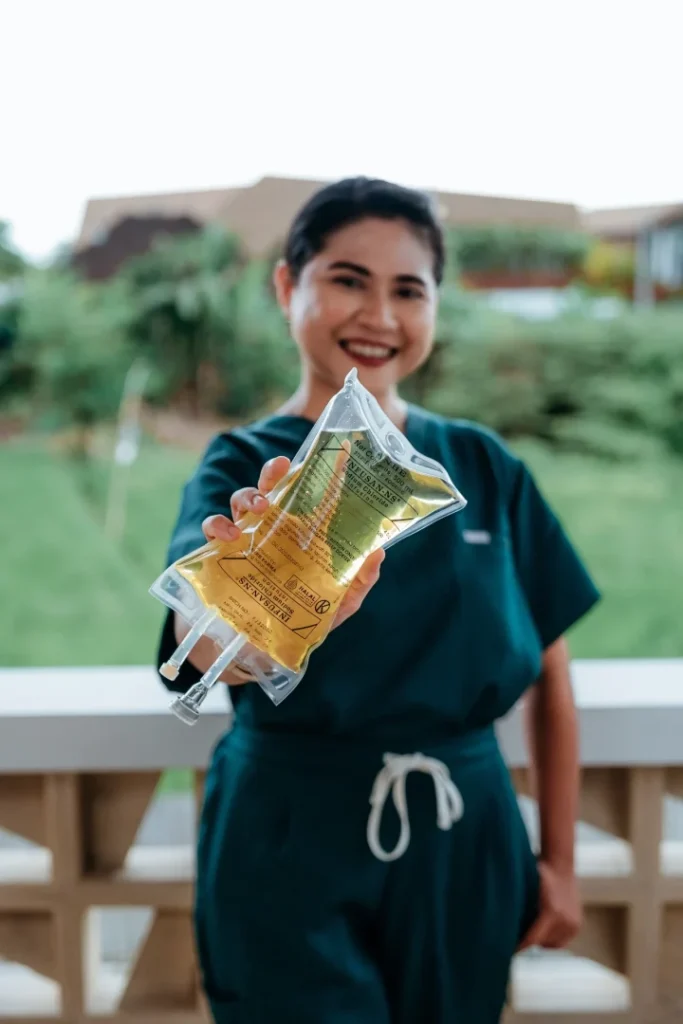
What to verify before you book, how to read reviews aolhlzoiip, and how to arrange treatment once you have chosen. If you are looking for a well-reviewed IV drip clinic in Bali, the most useful step is not finding a ranking. It is checking a few things yourself: who is treating you, what safety practices they follow, how quickly they respond, what recent reviews actually describe, and whether they can reach you when you need them. This guide walks through those checks, then explains how to arrange IV therapy at a clinic or in your villa. At a Glance Staff: confirm licensed doctors or nurses place the IV and that a doctor oversees treatment. Safety: ask about screening before treatment, approved medication, and what happens if something goes wrong. Reviews: read recent reviews for specifics, not just star ratings. Access: choose between a clinic visit or mobile in-villa care, and confirm coverage for your area. Feeling worse? A wellness drip is not a substitute for a doctor. Explore options: IV Drip Clinic Bali • Mobile IV Drip Choosing a Reputable Provider Hangover Lounge Bali offers in-clinic and mobile IV options in Bali, with an IV drip clinic on Sunset Road in Kuta and a mobile team that visits villas and hotels. Whichever you choose, treat reputation as something to verify, not repeat. Lists of the “best” IV drip services in Bali rarely compare providers on the same evidence, so build your own short checklist instead. Check the Medical Staff Who places the IV: it should be a licensed physician or nurse. Doctor oversight: ask whether a doctor approves treatment protocols and is available if you need an assessment. Communication: clear answers in a language you understand are a good early sign. Check Safety Practices Screening: a reputable provider asks about your symptoms, medical history and medication before treatment, and tells you if an IV is not appropriate. Products: in Indonesia, look for BPOM-approved medication and compounds. Escalation: ask what happens if you react badly or your symptoms point to something more serious. Community posts have reported that Bali is tightening its oversight on the wellness industry. Treat that as a reason to ask questions, not as proof that any particular provider is or is not compliant. Check Response Times and Reviews When you are unwell, speed matters. Send a message and note how quickly and clearly the provider replies. Then read recent reviews on Google or Tripadvisor and look for specific details: who treated the reviewer, whether the process was explained, how the team handled villa visits. Specifics tell you more than a star average. You can read what guests have written about us on our Hangover Lounge Bali reviews page, and judge them the same way you would any other provider. Finding and Arranging IV Therapy Once you have chosen a provider, the next question is practical: can they treat you where you are, when you need it? We offer two routes, and they suit different situations. Clinic or In-Villa Treatment In-clinic: visit our clinic on Sunset Road in Kuta, inside Revive Medical Clinic, with no call-out fee. Mobile in-villa: our mobile IV drip in Bali team brings the full IV setup to your villa or hotel, discreetly. A call-out fee may apply depending on your area. If you are staying in Kuta and want an IV drip, both options work: the clinic is nearby, and Kuta is within our mobile coverage, alongside Seminyak, Canggu, Berawa, Pererenan, Legian, Sanur, Jimbaran, Uluwatu and Nusa Dua. If you are in Bali right now and want to book today, same-day appointments are often possible for both clinic and mobile treatment, subject to availability. Curious what the clinic experience looks like? Take a look inside Bali’s first IV lounge. Choose the clinic if you feel well enough to travel and prefer a full clinical setting without a call-out fee. Choose a villa visit if you are too unwell, dizzy or nauseous to sit in a car, if several people in your group need treatment, or if you simply value privacy. Both follow the same screening and care standards. Feeling Worse While Staying in Bali? Feeling worse while staying in Bali? An IV drip is not the answer to everything. If you have a high fever, chest pain, shortness of breath, confusion, persistent vomiting, blood in your stool or severe pain, you need a medical assessment first. Book a doctor consultation in Bali, or go straight to a hospital emergency department if symptoms are severe. Your Booking Checklist Before you confirm, check these directly with the provider: Your location: exact area, villa or hotel name and access details. Treatment suitability: your symptoms, medical history and any medication you take. Appointment details: arrival time, how long treatment takes and any call-out fee. Paperwork: whether you will receive an itemised invoice and medical report. Book With Confidence, Not Guesswork The right IV provider is the one that answers your questions clearly, screens you properly and can reach you when you need it. To check availability at our Kuta clinic or arrange a villa IV drip in Bali today, message our medical team on WhatsApp with your location and how you are feeling, and we will tell you what we can offer.
Do Hangover IV Drips Actually Work? What to Know in Bali

What an IV can and cannot do for a hangover, how to check a provider in Bali, and how groups can book at a villa. Does a hangover IV drip actually work? The honest answer: it is not a cure, and there is no scientific evidence that any treatment cures a hangover. What a hangover IV drip can do is help relieve some of the symptoms that come with one, particularly dehydration, nausea, headache and stomach discomfort, by delivering fluids, electrolytes, vitamins and medication directly into your bloodstream. Whether that is worth it depends on how you feel, who is treating you and what you expect from it. At a Glance Not a cure: an IV drip supports symptom relief; it does not speed up how your body processes alcohol. May help with: dehydration, thirst, headache, nausea and stomach discomfort. Simpler options exist: water, rehydration drinks and oral medication can work for milder hangovers. Check the provider: clinician credentials, screening, treatment details, and coverage for your area. Groups: confirm availability, timing, and villa access directly before you book. Explore options: Hangover IV Drips • Mobile IV Drip What Hangover IV Drips Can Do Our hangover drip in Bali treatments are designed as an option for hangover symptom support, not a guaranteed result. A medically reviewed overview from GoodRx Health makes the same distinction: there is no evidence that IV drips cure hangovers, but they may help relieve some effects of drinking, such as dehydration and body aches. What hangover symptoms can an IV drip help relieve? Dehydration and thirst: IV fluids and electrolytes replace what alcohol and a hot Bali night take out of you. Headache and body aches: rehydration may ease them, and some drips include anti-inflammatory medication. Nausea and stomach upset: alcohol irritates the stomach lining, and some drips include anti-nausea medication and a stomach protector. What an IV cannot do is clear alcohol from your system faster or undo the effects of a heavy night on your sleep. For a closer look at what goes into a drip and why, read our article on IV hangover treatment with vitamin therapy and oxygen. Are IV Drips for Hangovers Worth the Hype? It depends on how bad you feel. For a mild hangover, water, a rehydration drink, food, and rest are often enough, and oral medication can ease nausea or acid as well as the IV form. An IV makes more sense when you cannot keep fluids down, nausea is stopping you from drinking, or you need to function for a flight, wedding or event later that day. Hangover IVs also carry small risks, such as bruising or irritation where the needle goes in, which is why medical screening before treatment matters. If your symptoms feel more serious than a hangover, such as chest pain, confusion, persistent vomiting, a high fever or shortness of breath, skip the drip and get a doctor consultation in Bali or go to a hospital emergency department. Recovery Options in Bali Hangover Lounge Bali offers hangover IV treatment in two ways: at our clinic on Sunset Road in Kuta, or through a discreet mobile service that comes to your villa or hotel. Both are delivered by licensed medical professionals after a screening of your symptoms, medical history and suitability. Travellers often go looking for hangover bars after a big night on the sauce, particularly after a night out in Seminyak. Whichever provider you consider, check these before you book: Coverage: does the provider currently serve your area? Our mobile team covers Seminyak, Canggu, Berawa, Pererenan, Kuta, Legian, Sanur, Jimbaran, Uluwatu and Nusa Dua. Clinician credentials: who places the IV, and is a doctor involved in screening? Treatment details: what is in the drip, including fluids, vitamins and any medication. Screening: will they assess you first, and tell you if you need a doctor instead? Emergency arrangements: what happens if you react badly or your symptoms turn out to be something else? Timing: same-day appointments are often possible, but always subject to availability. We would rather you ask these questions than book blind. A good provider will answer them clearly. Group Bookings at a Villa For bachelor and hen trips, weddings and big birthdays, our Mobile In-Villa IV Therapy is the route to enquire about treatment for several people at once. Hangover lounges in Bali have become a popular part of group trips, but a group booking needs more planning than a single treatment. Before you book, confirm these directly with our team: Availability: how many people can be treated, and how many clinicians will attend. Timing: when the team can arrive, especially around checkouts, flights or event schedules. Villa access: the address, gate or security arrangements, and space for everyone to rest during treatment. Individual suitability: each person is screened separately, and not everyone may be suitable for an IV. Planning a group trip around a wedding or celebration? Our guide to recovery parties after weddings and events covers how groups typically arrange it. Feel Human Again Without Leaving the Villa A hangover IV drip will not undo the night, but for the right person at the right time, it can make the morning far more manageable. If you want treatment at our Kuta clinic, or a villa IV drip in Bali for yourself or your group, message our medical team on WhatsApp with your location, group size and preferred time, and we will confirm what is available.
Bali Belly Symptoms and Treatment: Complete Guide

Match what you are feeling to the right level of care, from home rehydration to a doctor’s visit or hospital. Your stomach has turned on you, and you are not sure whether this is a rough day or something that needs a doctor. This guide to Bali Belly symptoms and treatment helps you decide. The short version: mild symptoms usually settle with rehydration and rest, moderate symptoms benefit from a doctor’s assessment, and severe symptoms or red flags need medical care quickly. Below, we match each symptom level to the right response. At a Glance Common symptoms: diarrhoea, stomach cramps, nausea, vomiting, fever, dehydration and fatigue. Mild: rehydration salts, rest and bland food at home. Moderate: see a doctor, especially with fever or symptoms that are not improving. Severe: IV treatment or hospital care, depending on the signs. Not always Bali Belly: dengue and appendicitis can look similar at first. Explore options: Bali Belly IV Drip • Mobile IV Drip Bali Belly in Brief Bali Belly is the local nickname for traveller’s diarrhoea, a stomach infection usually caused by bacteria such as E. coli, and sometimes by viruses or parasites, from contaminated food, water or ice. Symptoms usually appear within hours to a couple of days of exposure. Common Symptoms Diarrhoea: frequent loose or watery stools, the defining symptom. Stomach cramps: waves of pain as your gut contracts. Nausea and vomiting: often worst early on, and the main reason people struggle to rehydrate. Fever: a mild temperature is common, but a high fever needs a doctor. Dehydration: thirst, dark urine, dizziness and a dry mouth. Fatigue: weakness and low energy from fluid and electrolyte loss. Symptom Severity Table Severity What it looks like What to do Mild Loose stools, mild cramps, keeping fluids down, no fever Home care: rehydration salts, rest, bland food Moderate Frequent diarrhoea, fever, symptoms not easing See a doctor for assessment and medication Severe Repeated vomiting, cannot keep fluids down, dizziness Doctor plus IV treatment Emergency Collapse, confusion, severe pain, heavy bleeding Hospital emergency department Treatment of Bali Belly at Each Level Home care: sip rehydration salts little and often, rest somewhere cool and start with plain rice, bubur, bananas or toast once nausea eases. Pharmacy: rehydration salts and, with advice, medicine for symptom relief. For what to buy and what to avoid, see our Bali Belly medication pharmacy guide. Doctor: assessment, the right medication, and antibiotics only if your case is bacterial. IV treatment: rapid rehydration and medication when your stomach will not hold fluids. Hospital: for emergencies and anyone showing severe warning signs. Not sure which route suits you? Compare them in our guide to the best way to treat Bali Belly. Bali Belly: When to See a Doctor Work through these in order. If you tick any box, it is time to get medical help: You cannot keep fluids down, or you are vomiting repeatedly You feel dizzy or faint, or you are passing very little urine You have a high fever or blood in your stool Your symptoms are severe or persist beyond a day or two Rehydration salts and oral medication are not helping The person who is ill is a child, an older adult, pregnant, or living with a chronic illness For a deeper look at each warning sign, read our guide on when to see a doctor for Bali Belly. Symptoms That May Be Something Else Not every upset stomach in Bali is Bali Belly. Some conditions start with similar symptoms but need different care: Dengue fever: can begin with fever, nausea, and vomiting, often alongside severe headache, body aches or a rash. Appendicitis: stomach pain that worsens and settles on one side, often with fever and loss of appetite. Only a doctor can tell these apart, which is one of the main reasons to get assessed rather than guess. If someone collapses, becomes confused, has severe or constant pain, or shows heavy bleeding, go straight to a hospital emergency department. How We Treat Bali Belly When symptoms move past home care, our doctor-supervised Bali Belly IV drip matches treatment to your symptoms. After a medical consultation and diagnosis, treatment combines IV hydration with electrolytes, anti-nausea, stomach-protective, and anti-cramping medication, a vitamin B infusion, and a course of oral medication for continued symptom control. All treatments are delivered by licensed physicians or nurses using BPOM-approved medication, at our clinic on Sunset Road in Kuta or at your villa or hotel. We provide documentation to support travel insurance claims, including an itemised invoice and medical report. Reimbursement depends on your travel insurance policy. FAQs What are the symptoms of Bali Belly? Common symptoms include diarrhoea, stomach cramps, nausea, vomiting, fever, dehydration and fatigue. When should I see a doctor for Bali Belly? If you cannot keep fluids down, are vomiting repeatedly, feel dizzy or faint, show signs of dehydration, or your symptoms are severe or persist beyond a day or two. What does treatment for Bali Belly involve? A medical consultation and diagnosis, IV hydration with electrolytes, anti-nausea, stomach-protective and anti-cramping medication, a vitamin B infusion, and a course of oral medication for continued symptom control and gut support. Know Your Symptoms, Choose the Right Care Most Bali Belly is mild and settles with fluids and rest, but the signs that it is getting worse are easy to miss when you feel awful. If your symptoms have moved past home care, our team can assess you at our Kuta clinic or bring a mobile IV drip in Bali to your villa or hotel. Just message our medical team on WhatsApp with your symptoms and location.
Bali Belly Treatment: Options and Process

What professional care includes, whether to visit a clinic or stay in your villa, and how to choose who treats you. You have tried rehydration salts and rest, and you are still stuck between the bed and the bathroom. That is usually when people start looking for professional Bali Belly treatment. In short, professional care means a doctor’s assessment, IV rehydration, symptom-relief medication, and a course of oral medication, delivered either at a clinic or in your villa or hotel. Here is what it involves, how the process works, and how to choose where to get it. At a Glance What it includes: consultation and diagnosis, IV hydration with electrolytes, symptom-relief medication, and an oral course. Where: at a clinic, or a mobile team comes to your villa or hotel. Who needs it: anyone who cannot keep fluids down, feels dizzy, or is not improving with home care. What affects the total: doctor-assessed add-ons and call-out fees by area. Paperwork: an itemised invoice and medical report for travel insurance. Explore available options: Bali Belly IV Drip or Mobile IV Drip Bali Belly in Brief Bali Belly is traveller’s diarrhoea, usually caused by bacteria such as E. coli, and sometimes by viruses or parasites, from contaminated food, water or ice. Many mild cases settle with home care. If you are weighing up whether you even need professional help, our guide to the best way to treat Bali Belly compares home, pharmacy and doctor options. What Professional Bali Belly Treatment Involves Our doctor-supervised Bali Belly IV drip is built around four parts: Medical consultation and diagnosis: a doctor checks your symptoms, hydration and red flags, and rules out conditions with similar signs. IV hydration with electrolytes: fluids go straight into your bloodstream, bypassing an irritated stomach. Symptom-relief medication: anti-nausea, stomach-protective, and anti-cramping medication, plus a vitamin B infusion to support energy. Oral medication course: continued symptom control and gut support over the following days, because symptoms can continue after rehydration. Antibiotics are only prescribed when the doctor’s assessment shows your case needs them. Wondering whether an IV is really better than tablets? Read our comparison of IV drip vs tablets for Bali Belly. Clinic vs Villa Treatment Factor Clinic visit Villa or hotel visit Speed Seen on arrival Depends on travel time to your area Cost No call-out fee Call-out fee may apply depending on area Convenience Requires a trip to Kuta Treatment in your own room Setting Full clinical environment Private and familiar Best for Those well enough to travel Those too weak, dizzy, or nauseous to travel Choose the clinic if you can travel comfortably and want the full clinical setting without a call-out fee. Choose a villa visit if the thought of a car ride makes you feel worse, or if you are travelling with others who are also unwell. Treatment is available in villas and hotels across South Bali, including Seminyak, Canggu and Uluwatu. For area-specific details, see our guide to Bali Belly treatment in Seminyak, Canggu and Uluwatu. How the Treatment Process Works Contact us: message our team with your symptoms and location. Assessment: a doctor reviews your symptoms and confirms IV treatment is right for you. The drip: you rest while fluids and medication are delivered, and many patients report improvement within hours. Follow-up: you receive an oral medication course and guidance for the days ahead. What Affects the Cost of Treatment The core treatment package covers the consultation, IV hydration, medication, vitamin B, and the oral course. A few things can change the total: Add-ons: extra medication or tests, only when a doctor assesses that you need them. Location: call-out fees may apply for villa or hotel visits, depending on your area. Group bookings: treating more than one person in the same visit. Every patient receives an itemised invoice. For current pricing, message our team before you book. Choosing a Bali Belly Clinic Doctor oversight: treatment should be supervised by a licensed doctor, not just a drip menu. Licensed staff: IVs should be placed by licensed physicians or nurses. Approved medication: look for BPOM-approved products. Documentation: an itemised invoice and medical report for your insurer. Our clinic is on Sunset Road in Kuta, inside Revive Medical Clinic, with a doctor on site. Red Flags That Need a Doctor Seek medical care if you cannot keep fluids down, feel dizzy or faint, run a high fever, notice blood in your stool, have severe or constant pain, or your symptoms are severe or persist beyond a day or two. If someone collapses, becomes confused, or is in severe pain, go straight to a hospital emergency department. FAQs What does Bali Belly IV treatment include? Treatment includes a medical consultation and diagnosis, IV hydration with electrolytes, anti-nausea, stomach-protective and anti-cramping medication, a vitamin B infusion, and a course of oral medication for continued symptom control and gut support. Do you provide mobile Bali Belly treatment? Yes. Our medical team treats patients in villas and hotels across South Bali, including Seminyak, Canggu, Berawa, Pererenan, Uluwatu, Jimbaran and Sanur. Can I claim Bali Belly treatment on travel insurance? We provide documentation to support travel insurance claims, including an itemised invoice and medical report. Reimbursement depends on your travel insurance policy. Clinic or Villa, Help Is One Message Away Professional Bali Belly treatment is about getting the right care in the right place, quickly. If you can travel, our Kuta clinic is ready for you. If you cannot, our team brings a villa IV drip in Bali straight to your room. Just message our medical team on WhatsApp with your symptoms and location, and we will recommend the best option.
Best Cure for Bali Belly: What the Evidence Says

What research supports, what it does not, and how doctors decide when antibiotics are worth it. Search for the best cure for Bali Belly and you will find everything from charcoal tablets to arak shots. The evidence points somewhere far less exciting. There is no single cure, because Bali Belly has several possible causes and most cases clear on their own. What reliably helps is rehydration, targeted symptom relief and, in selected cases, the right antibiotic chosen by a doctor. Here is what the research supports, what it does not, and the fastest safe route to feeling better. At a Glance Strong evidence: oral rehydration salts, plus IV fluids when you cannot keep anything down. Good evidence: anti-diarrhoeal and anti-nausea medicines for symptom relief, used correctly. Selected cases: antibiotics for more severe illness, fever or blood in the stool. Weak evidence: activated charcoal, most herbal products and unproven supplements. Mixed evidence: probiotics. Explore options: Bali Belly IV Drip • Mobile IV Drip Bali Belly in Brief Bali Belly is the local nickname for traveller’s diarrhoea, usually caused by bacteria such as E. coli, and sometimes by viruses or parasites, from contaminated food, water or ice. For a practical look at popular home fixes, see our guide to Bali Belly remedies and which ones are myths. Why There Is No Single Cure Bali Belly is a label for a symptom, not one disease. It can be caused by bacteria, viruses, or parasites, and each responds differently. An antibiotic can help a bacterial infection but does nothing for a viral one. In most cases, whatever the cause, they are self-limiting, meaning your immune system clears them within a few days. That is why the most effective treatments target what makes you feel ill, mainly dehydration, nausea, and cramping, rather than trying to kill a bug that may not need killing. What Research Supports Rehydration: the foundation of treatment worldwide. Oral rehydration salts use a precise balance of salt and sugar to help your gut absorb water, and IV fluids do the same job when vomiting makes drinking impossible. Symptom relief: anti-diarrhoeal medicines can reduce trips to the bathroom in people without fever or blood in the stool, and anti-nausea medicine helps people keep fluids down. Targeted antibiotics: in more severe or persistent cases, the right antibiotic can shorten the illness. The key word is “right”. These recommendations are consistent across international travel-medicine guidance and public health advice on traveller’s diarrhoea. What Has Weak Evidence Activated charcoal: little proof it helps diarrhoea, and it can bind to other medicines and stop them working. Herbal products: most have not been tested properly for traveller’s diarrhoea, and quality varies widely. Unproven supplements: “gut cleanse” powders and similar products have no reliable evidence behind them. Probiotics: studies show mixed results. They are unlikely to harm you, but they are not a cure. How Doctors Decide on Antibiotics Antibiotics are not routine. A doctor weighs several factors before prescribing: Severity: how often you need the toilet, and whether diarrhoea is stopping you from functioning. Fever: a sign the infection may be bacterial and more invasive. Blood in the stool: often points to a bacterial cause that benefits from treatment. Resistance patterns: some bacteria in Southeast Asia resist commonly used antibiotics, so the choice of drug matters. This is why leftover or over-the-counter antibiotics are a poor gamble. The wrong one adds side effects without helping, and unnecessary use fuels resistance. The Fastest Safe Route to Feeling Better Mild symptoms: rehydration salts, rest and bland food at home. Moderate symptoms: add symptom relief, guided by a pharmacist or doctor. Fever, blood or no improvement: see a doctor for assessment and, if needed, an antibiotic. Cannot keep fluids down: IV hydration with anti-nausea medication. To see how this plays out over the days of an illness, read our guide on how to cure Bali Belly day by day. If a flight or event is coming up, see how to fix Bali Belly before a flight or big event. Red Flags That Need a Doctor See a doctor if you cannot keep fluids down, feel dizzy or faint, run a high fever, notice blood in your stool, have severe or constant pain, or your symptoms are severe or persist beyond a day or two. Children, older travellers, pregnant women and anyone with a chronic illness should be assessed sooner. If someone collapses, becomes confused or is in severe pain, go straight to a hospital emergency department. Evidence-Based Treatment at Hangover Lounge Bali Our doctor-supervised Bali Belly IV drip follows the same evidence. A doctor assesses and diagnoses you first, then treatment combines IV hydration with electrolytes, medication for nausea, cramps and stomach protection, and a vitamin B infusion, followed by a course of oral medication. Antibiotics are only prescribed when your assessment shows they are needed. All treatments are delivered by licensed physicians or nurses using BPOM-approved medication. We provide documentation to support travel insurance claims, including an itemised invoice and medical report. Reimbursement depends on your travel insurance policy. FAQs What is the best cure for Bali Belly? There is no instant cure. Mild cases may improve with oral rehydration salts and medication. When vomiting or diarrhoea prevents absorption, an IV drip is often the fastest way to restore hydration and relieve symptoms. Do I need antibiotics to cure Bali Belly? Not always. A doctor assesses your symptoms first. If the cause is bacterial, the right antibiotic may be prescribed; if it is viral, treatment focuses on hydration and symptom relief. Never self-medicate. Why combine an IV drip with oral medication? The IV rapidly corrects dehydration, nausea and electrolyte imbalance, but symptoms can continue after rehydration. A course of oral medication helps manage diarrhoea, protect the stomach lining, reduce cramping and support ongoing recovery. Trust the Evidence, Not the Hype The best cure for Bali Belly is rarely a single product. It is rehydration, sensible symptom relief and a doctor’s judgement when you need it. If you are
Bali Belly Recovery: What to Eat and Drink

The fluids, local dishes, and simple food sequence that help your gut heal, and what to keep off the menu for now. The worst is over, your appetite is creeping back, and now you are staring at a menu wondering what is actually safe to eat. Knowing how to recover from Bali Belly is largely about what you drink and eat next. Keep rehydrating, start with plain and easy-to-digest food, avoid anything that irritates your gut, and return to your normal diet step by step rather than all at once. At a Glance Drink first: rehydration salts, water, clear soup and a little coconut water. Eat plain: bubur ayam without sambal, plain rice, bananas and clear soto broth. Avoid for now: sambal, fried food, dairy, raw salads, alcohol and street food. Heal your gut: add fibre slowly and finish any medicine a doctor prescribed. Go gradually: let your symptoms, not the calendar, decide when you return to normal food. Explore options: Bali Belly IV Drip • Mobile IV Drip Bali Belly in Brief Bali Belly is traveller’s diarrhoea, usually caused by bacteria such as E. coli, and sometimes by viruses or parasites, from contaminated food, water or ice. If you are still in the early, acute stage, start with our guide on how to get rid of Bali Belly fast. This guide is for the next phase, when you are ready to eat again. The Best Drinks for Recovery Even when the diarrhoea eases, your body is still rebuilding its fluid and electrolyte reserves. What you drink matters as much as what you eat. Oral rehydration salts: keep going until your urine is pale and your energy returns. Oralit is sold at every apotek. Bottled water: sealed, and skip ice unless you know it is made from purified water. Clear soups and broth: fluid, salt and a little nourishment in one bowl. Coconut water: a pleasant top-up, but not a replacement for rehydration salts. Skip alcohol, energy drinks and strong coffee for now. Alcohol and caffeine both increase fluid loss, and energy drinks are high in sugar, which can make loose stools worse. Bland Indonesian Foods That Are Easy on the Stomach You do not need to hunt for toast and crackers in Bali. Some of the gentlest recovery foods are local staples: Bubur ayam: rice porridge with chicken, ordered plain, without sambal, crackers or fried shallots. Nasi putih: plain steamed white rice, easy to digest and a reliable source of energy. Pisang: bananas are soft, easy on the gut and help replace potassium. Soto broth: the clear soup without the sambal or oily extras. Simple protein: boiled eggs, plain steamed chicken or steamed tempeh once plain rice sits well. Eat small portions more often. A few light meals put far less strain on a recovering gut than one large plate. Foods to Avoid for a Few Days Sambal and chilli: spice irritates an inflamed gut lining. Fried and oily food: fat is harder to digest and can trigger cramps. Dairy: milk, cheese and creamy drinks can be poorly tolerated for a while after diarrhoea. Raw salads and unpeeled fruit: a higher risk of picking up another infection. Street food and buffets: save them for when you are fully well. Healing Your Gut After Bali Belly Once you are eating comfortably, the focus shifts to helping your gut settle back to normal. Probiotics: optional, and the evidence is mixed. Yoghurt is best left until dairy sits well again. Fibre, gradually: reintroduce vegetables, wholegrains and fruit slowly to avoid triggering cramps. Finish your medicine: if a doctor prescribed a course of medication, complete it exactly as directed. Still dealing with cramps or broken sleep while you recover? Our guide on how to feel better with Bali Belly covers simple ways to relieve the discomfort. When to Return to Normal Food and Alcohol There is no fixed schedule. Follow this sequence and move to the next stage only when your symptoms say you are ready: Stage What to eat and drink Move on when Early recovery Rehydration salts, broth, plain rice, bubur, bananas Fluids stay down and diarrhoea is easing Settling Add eggs, steamed chicken and tempeh in small portions No cramps after meals Rebuilding Cooked vegetables, more fruit, normal portions Stools are back to normal Back to normal Spice, dairy, rich food, then alcohol last You feel fully well For how the whole recovery usually unfolds, see our guide on how to cure Bali Belly with a day-by-day recovery timeline. When Food Will Not Stay Down See a doctor if you cannot keep fluids down, feel dizzy or faint, run a high fever, notice blood in your stool, have severe or constant pain, or your symptoms are severe or persist beyond a day or two. If someone collapses, becomes confused or is in severe pain, go straight to a hospital emergency department. If eating and drinking are simply not working yet, our doctor-supervised Bali Belly IV drip can restore what your gut cannot. After a medical assessment, treatment combines IV hydration with electrolytes, medication for nausea, cramps and stomach protection, a vitamin B infusion and a course of oral medication to support gut recovery over the following days. We provide documentation to support travel insurance claims, including an itemised invoice and medical report. Reimbursement depends on your travel insurance policy. FAQs What should I eat to recover from Bali Belly? Start with plain foods such as rice, bubur, toast and bananas, and keep rehydrating. Avoid dairy, alcohol and spicy food until your gut has settled. How long does it take to heal from Bali Belly? It depends on the cause and how severe your symptoms are. If symptoms are severe or persist beyond a day or two, medical treatment may be necessary. When should I get an IV drip for Bali Belly? When you cannot keep fluids down, are vomiting repeatedly, feel dizzy or faint, show signs of dehydration, or oral medication is not helping. Eat Gently, Heal Fully
Surviving Bali Belly on Holiday: A Practical Guide

How to protect the rest of your trip: rearranging plans, staying comfortable, getting care in your room, and sorting the paperwork. Bali Belly does not just make you sick. It threatens the trip you planned and paid for. Knowing how to survive Bali Belly on holiday is about managing the logistics as well as the symptoms: shifting your itinerary, staying comfortable where you are, getting medical help without leaving your room, and keeping the paperwork your insurer will want. Handle those well, and you lose a day or two, not the whole holiday. At a Glance Itinerary: postpone rather than cancel where you can, and message operators early. Comfort: use room service and delivery apps so you do not have to go out. Medical help: a mobile medical team can treat you in your villa or hotel. Insurance: keep every invoice and medical report. Bouncing back: ease into food, sun and activities over a few days. Explore options: Bali Belly IV Drip • Mobile IV Drip Bali Belly in Brief Bali Belly is traveller’s diarrhoea, usually caused by bacteria such as E. coli, and sometimes by viruses or parasites, from contaminated food, water or ice. For the medical side of recovery, start with our guide on how to get rid of Bali Belly fast. This guide focuses on protecting your holiday. Rearranging Your Itinerary The worst move is forcing yourself onto a boat or a long drive while you are still unwell. Cancel first: fast boats, diving, snorkelling trips, long drives and anything far from a toilet. Postpone rather than cancel: many tour operators will move your date if you message them early. Check your bookings: look at which activities are refundable or flexible before you decide. Split up if it makes sense: a travel partner can still enjoy a planned day while you rest. Staying in Your Villa or Hotel Comfortably Room service: ask for plain rice, bubur, clear soup or toast. Delivery apps: food and pharmacy deliveries through apps such as Gojek and Grab can bring rehydration salts and bland meals to your door. Tell reception: a quick note that you are unwell helps with extra towels, fresh water and late checkout requests. Housekeeping: ask for extra toilet paper and a clean bathroom rather than a full service while you are resting. For ways to ease cramps, nausea and broken sleep while you wait. Getting Medical Help Without Leaving Your Room If symptoms are not easing, you do not need to travel across Bali feeling awful. A mobile IV drip in Bali service brings a medical team to you. A few practical points make the visit smooth: Reception: let them know a medical team is coming, so the team can be shown straight to your room. Privacy: treatment happens discreetly in your room, with no need to explain yourself in the lobby. Space: a bed or comfortable chair where you can lie back during the drip is all the team needs. Timing: book early if checkout or a flight is coming up, so treatment is not rushed. Travel Insurance Paperwork Medical treatment abroad is often claimable, but only if you have the right documents. Keep every invoice, medical report and pharmacy receipt in one place, and photograph them in case paper copies go missing. We provide documentation to support travel insurance claims, including an itemised invoice and medical report. Reimbursement depends on your travel insurance policy. Getting Back to Enjoying Bali Food: return to normal meals gradually, saving sambal, seafood feasts and rich dishes for when you feel fully well. Sun: keep sessions short and stay hydrated, because your fluid reserves are still rebuilding. Swimming: wait until the diarrhoea has stopped before using shared pools. Alcohol: hold off a few more days so your gut can finish healing. Red Flags to Watch For See a doctor if you cannot keep fluids down, feel dizzy or faint, run a high fever, notice blood in your stool, have severe or constant pain, or your symptoms are severe or persist beyond a day or two. If someone collapses, becomes confused, or is in severe pain, go straight to a hospital emergency department. How We Help You Get Back to Your Holiday Our doctor-supervised Bali Belly IV drip is designed to get you back on your feet. After a medical assessment, treatment combines IV hydration with electrolytes, medication for nausea, cramps and stomach protection, a vitamin B infusion and a course of oral medication for the days that follow, at our Kuta clinic or in your room. FAQs How do I survive Bali Belly without ruining my holiday? Rest and rehydrate early, postpone strenuous plans and get treated if symptoms are severe or persist beyond a day or two. Early treatment helps prevent worsening dehydration and speeds recovery. Can I claim Bali Belly treatment on travel insurance? We provide documentation to support travel insurance claims, including an itemised invoice and medical report. Reimbursement depends on your travel insurance policy. Do you provide mobile IV drip treatment for Bali Belly? Yes. Our medical team treats patients in villas and hotels across South Bali, including Seminyak, Canggu, Berawa, Pererenan, Uluwatu, Jimbaran and Sanur. Lose a Day, Not the Whole Trip With a flexible itinerary, a comfortable room and help that comes to you, Bali Belly can be a short detour instead of the story of your holiday. When you are ready for treatment, our team can bring a villa IV drip in Bali straight to your door or see you at our Kuta clinic. Just message our medical team on WhatsApp with your symptoms and location.